Descent III · Laser Materials Processing · 2000-2025
The Laser Craft: light as a precision tool
Closing the lid is where a device lives or dies, and heat is the enemy: a flame that seals the rim will cook the electronics inches away. The answer that runs through eleven of the fifty-six patents is a single sentence — put the energy only where the joint forms, and take the beam away before the heat can wander.
- span2000-2025
- grants11
- lineWelding, bonding, cutting, texturing with light
US 6,501,043US 6,717,100US 7,872,208US 9,171,721US 8,796,109US 10,124,559US 10,981,355US 12,454,117US 11,999,014US 11,548,092US 11,969,821
Viewport · laser welding · beam on
A laser walks a metal joint, sparks leaving on their own schedule. Brought down to the width of a human hair, this is the craft the line perfects: pulsed light, each spot remelting half the last, until a chain of small suns reads as one hermetic seam. Richard Hewitt, WMG University of Warwick, public domain, via Wikimedia Commons.The arcT3 · interpretationconfidence: high
Eleven grants over twenty-five years, all one discipline: using focused light to join, cut, and texture materials that conventional processes would damage. It begins with welding a ribbon and ends with atomic-scale bonds co-invented with Corning. This is the corpus's craft thread — the hands, where the feedthrough line is the cathedral those hands built.
Set-piece · pulsed seam · kb/physics
The Traveling Weld The seam as penmanship. A focused pulse melts a spot a few hundred microns wide; the bulk part never feels the furnace. The head moves on before the heat can reach what the can protects — a scalpel where flame is a mob.Where it starts: the vibration problemT1 · from the patentUS6501043B1
Microelectronic connections were made by ultrasonic/thermosonic bonding — literally scrubbing parts together at high frequency. US6501043's background names the failure: vibration is "not well suited to bonding less rigid... structures," shakes parts out of position, and yields "weaker and inconsistent" bonds, while restricting usable metals. In a device where one bad joint is a surgery, that's intolerable.
The founding moveT1 · from the patentUS6501043B1
Sole inventor, claim 1: thread the ribbon under a bond head, then fire a laser through an aperture in the bond head itself, melting ribbon and pad into a single weld nugget — no vibration, no material restrictions, minimal tool wear; fiber-deliverable. The bond head holds; the light joins. Google Patents lists 35 citing patents.
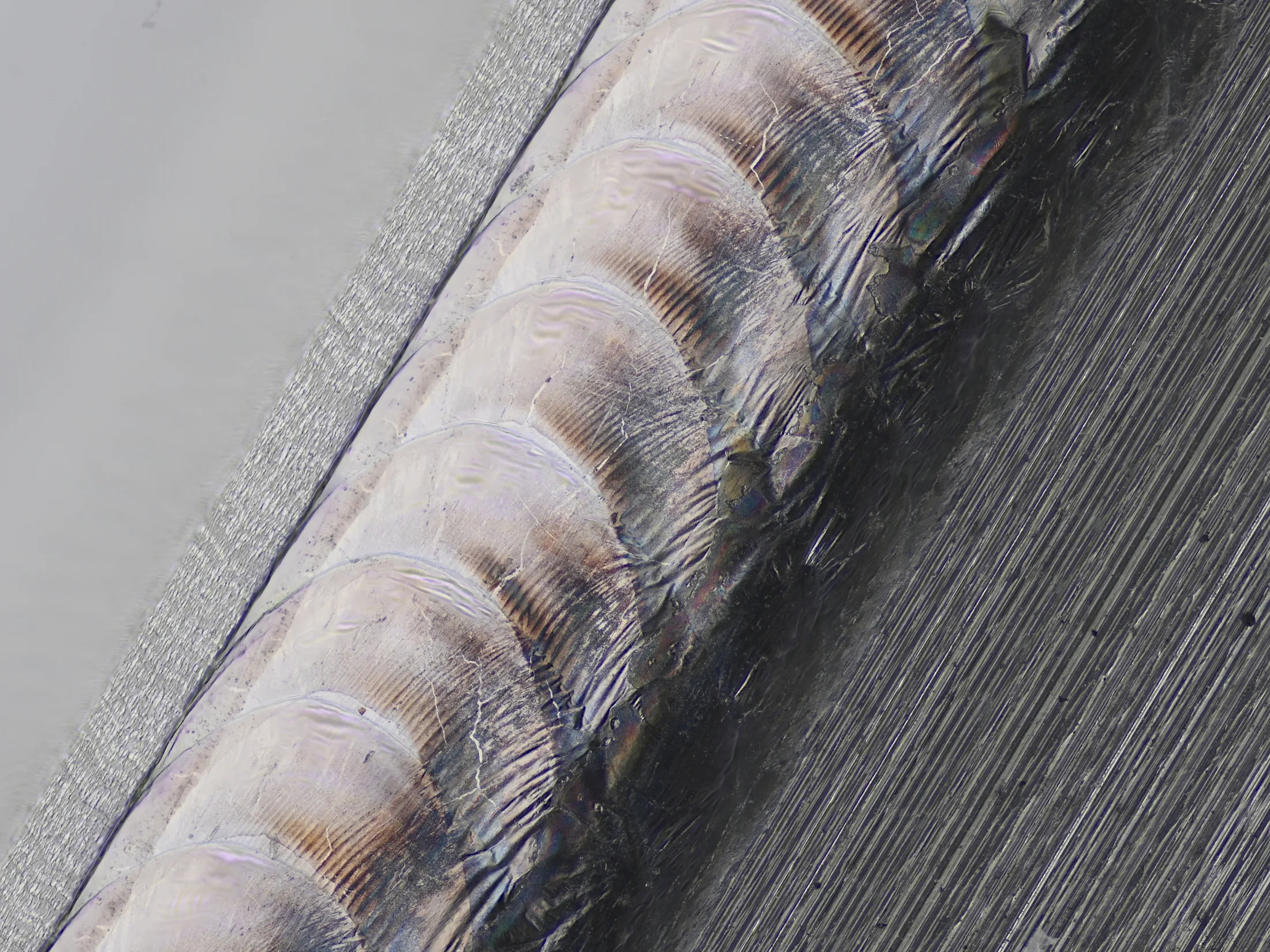
Specimen tray · the artifact itself
A macro photograph of an overlapping-pulse laser weld hermetically sealing a metal enclosure — each crescent one pulse, each pulse remelting half its predecessor. The literal object this line of patents perfects. Macro of an overlapping pulsed laser weld seam hermetically sealing a helium-filled hard drive — Photo: Phiarc, via Wikimedia Commons, CC BY-SA 4.0.Where it leadsT1 · from the patentUS10124559B2
The endpoint (with Corning, US10124559 → US12454117): bond sapphire directly to titanium — transparent to opaque, insulator to metal — without the 600–1000 °C furnace such joints normally demand. The beam passes through the sapphire, deposits its energy at the interface, and forms a diffusion bond thinner than 1000 nanometers. "Kinetically limited" is the key idea: the pulse is too brief for heat to migrate, so diffusion happens only in that nano-zone — the parts never really get hot. Named applications reach past medical packaging to vacuum windows, photonics, even spacecraft. Alongside: laser-assisted direct bonding (US9171721), thin-film intermediate bonding (US8796109), two-beam laser cutting (US11999014), and underwater pulsed surface texturing (US11548092/US11969821).
Plain-English registerT3 · interpretationconfidence: high
Twenty-five years of the same magic trick at ever-smaller scale: get the heat exactly where the joint is and nowhere else. First a spot-weld through a tool's eye; finally, a bond a hundredth of a hair thick between a gem and a metal — made with a flash too fast for the heat to wander.
Cross-industry signalT2 · external source
The Corning co-assignment (US10124559, US10981355, US12454117 list both Medtronic, Inc. and Corning Incorporated as assignees — visible on the patents themselves) is the corpus's clearest external-validation marker: a materials-science giant putting its name beside his on the invention.
Set-piece note (for Presentation)T3 · interpretation
A single beam of light travels the timeline: 2000 — threading a bond head's eye to weld a ribbon; 2010 — sweeping a seam to fuse substrates; 2018 — one flash freezing into a nanometer bond between sapphire and titanium, shown at molecular zoom. The beam is the protagonist; the years are its footsteps.
Phosphor plates · the drawings, inverted into the dark
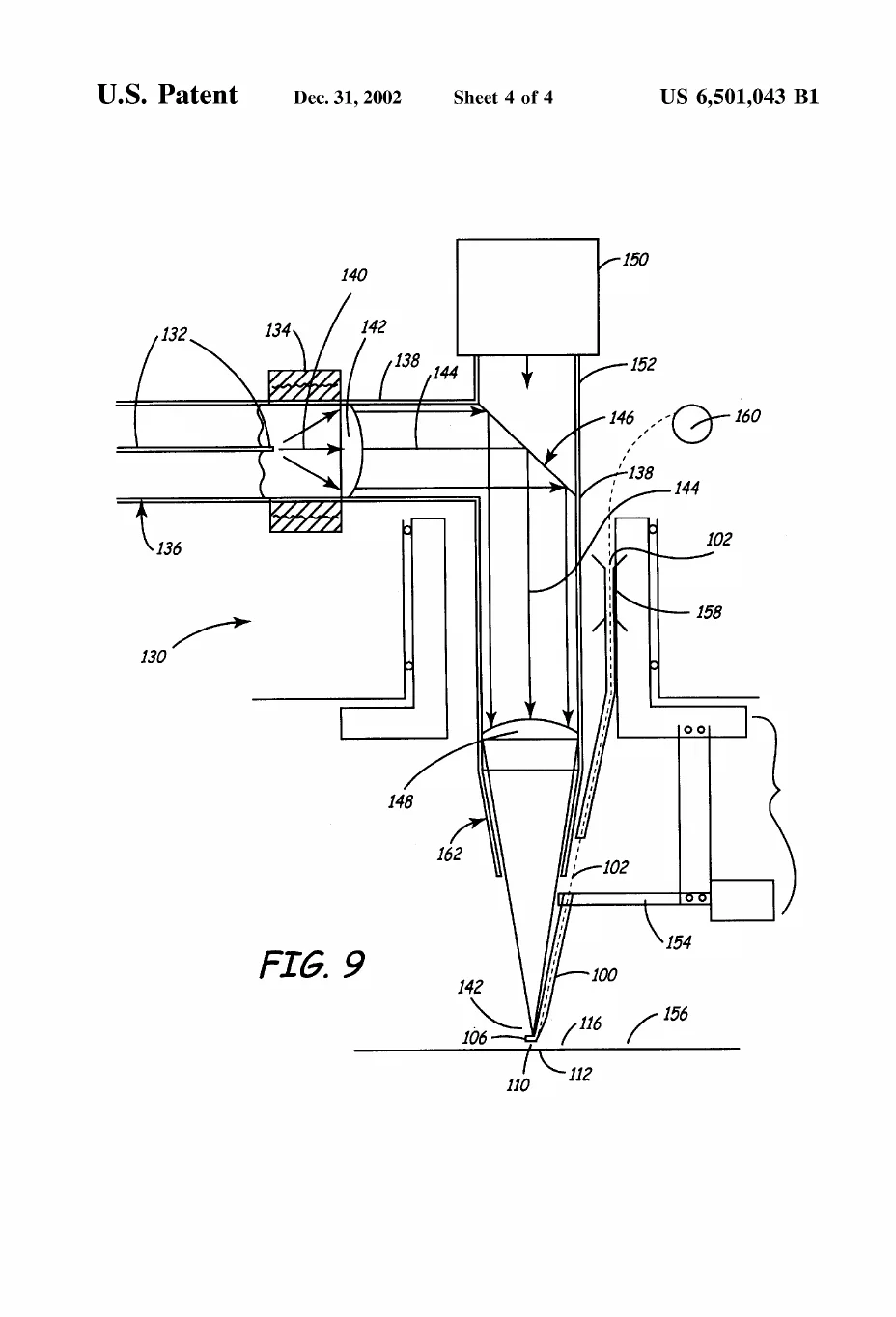
The plate · US 6,501,043 · FIG. 9
A full cross-sectional schematic of the welding apparatus, tracing the laser beam from its source through a turning mirror and focusing lens down a conical housing and out through the bond head's aperture onto the ribbon-and-pad joint. US patent drawing — public domain.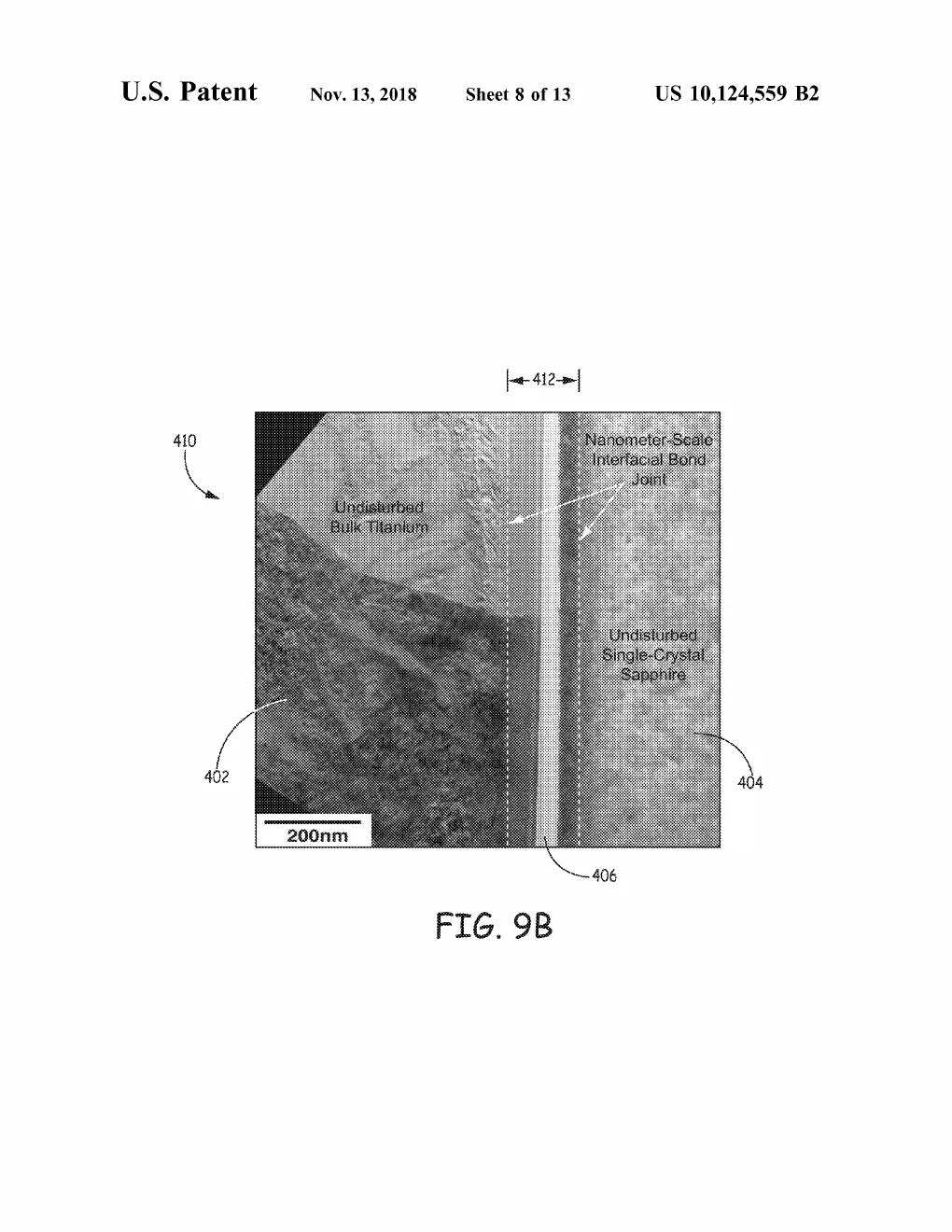
Plate II · US 10,124,559 · FIG. 9B
A labeled electron-microscope cross-section (200 nm scale bar) with plain-English callouts: undisturbed bulk titanium on the left, undisturbed single-crystal sapphire on the right, and the nanometer-scale interfacial bond joint measured between dashed lines in the middle. US patent drawing — public domain.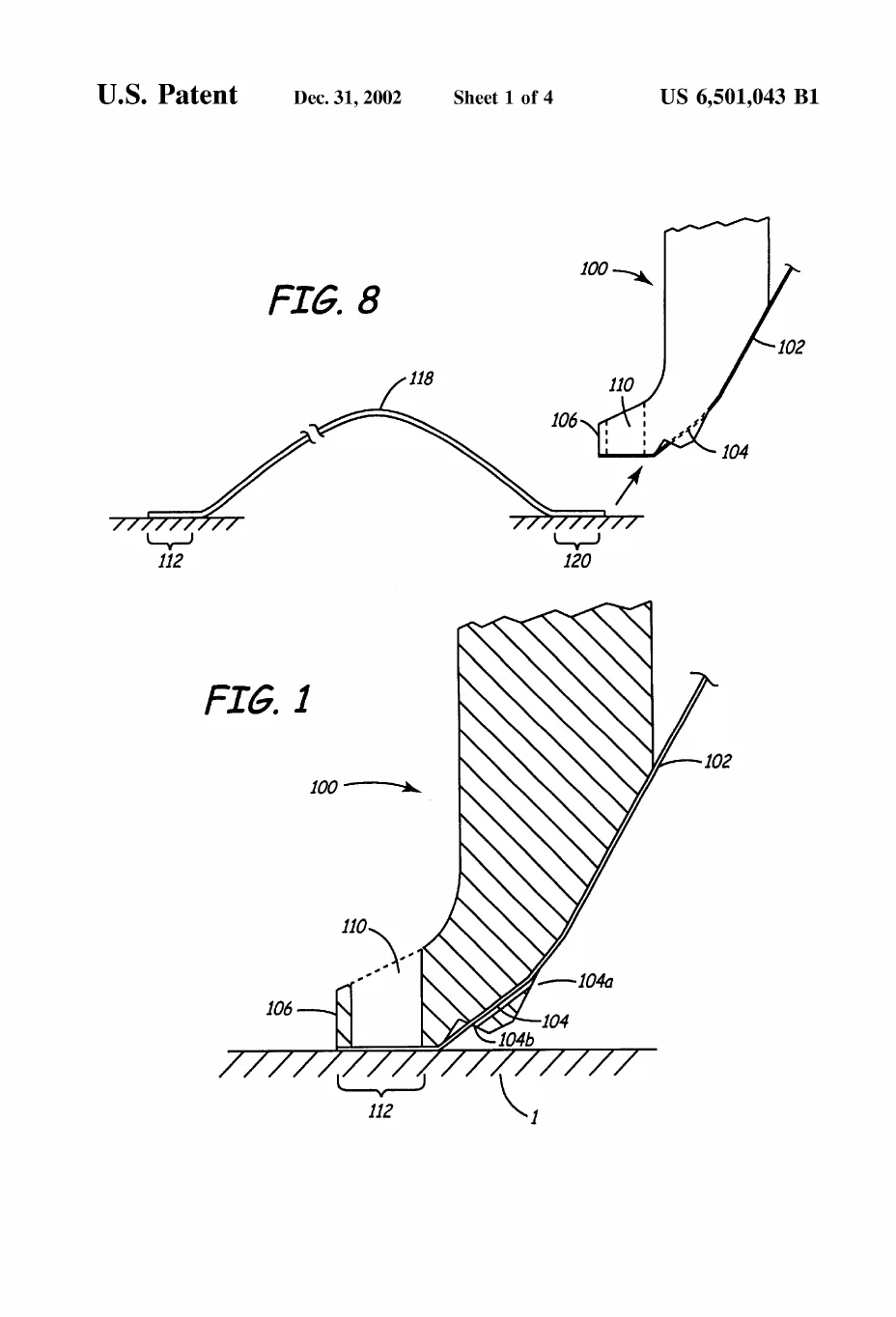
Plate III · US 6,501,043 · FIG. 1, FIG. 8
A cross-section of the bond-head foot pressing a metal ribbon onto its pad with the laser aperture and forming weld nugget visible beneath it, plus a view of the finished ribbon arching between its two bonded pads. US patent drawing — public domain.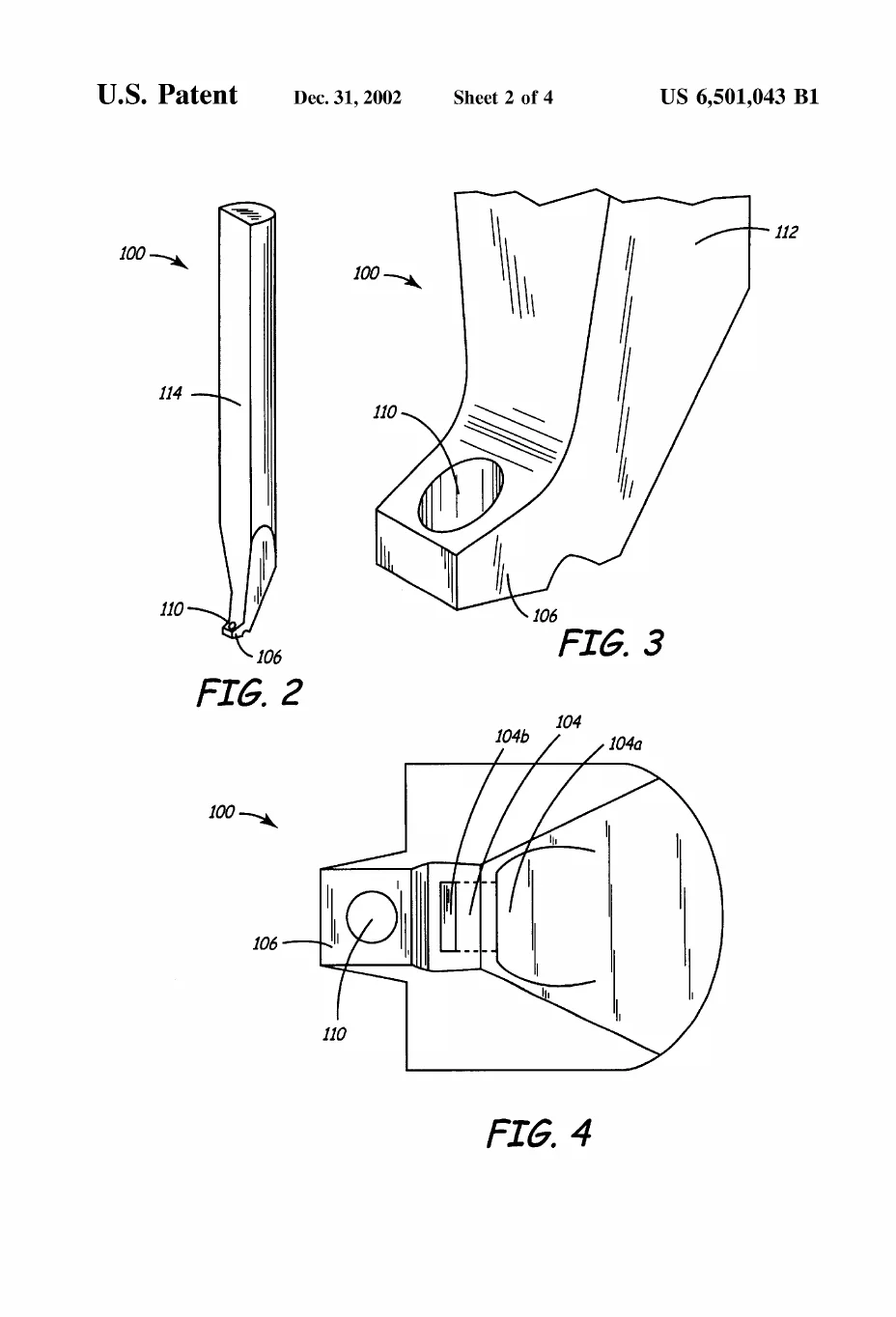
Plate IV · US 6,501,043 · FIG. 2, FIG. 3, FIG. 4
Perspective and magnified close-up views of the bonding tool itself, revealing the aperture bored straight through its foot — the eye the laser fires through — and the weld region seen through that opening. US patent drawing — public domain.Impact · why this shaft matters
By the end of the line the craft has gone from sealing titanium to bonding a sapphire window onto a can with an interfacial layer only nanometers thick. Twenty-five years of teaching light manners — heat placed exactly, and withdrawn before it can spread.