The Sealed Machine · a reading in six movements
The body, kept in time.
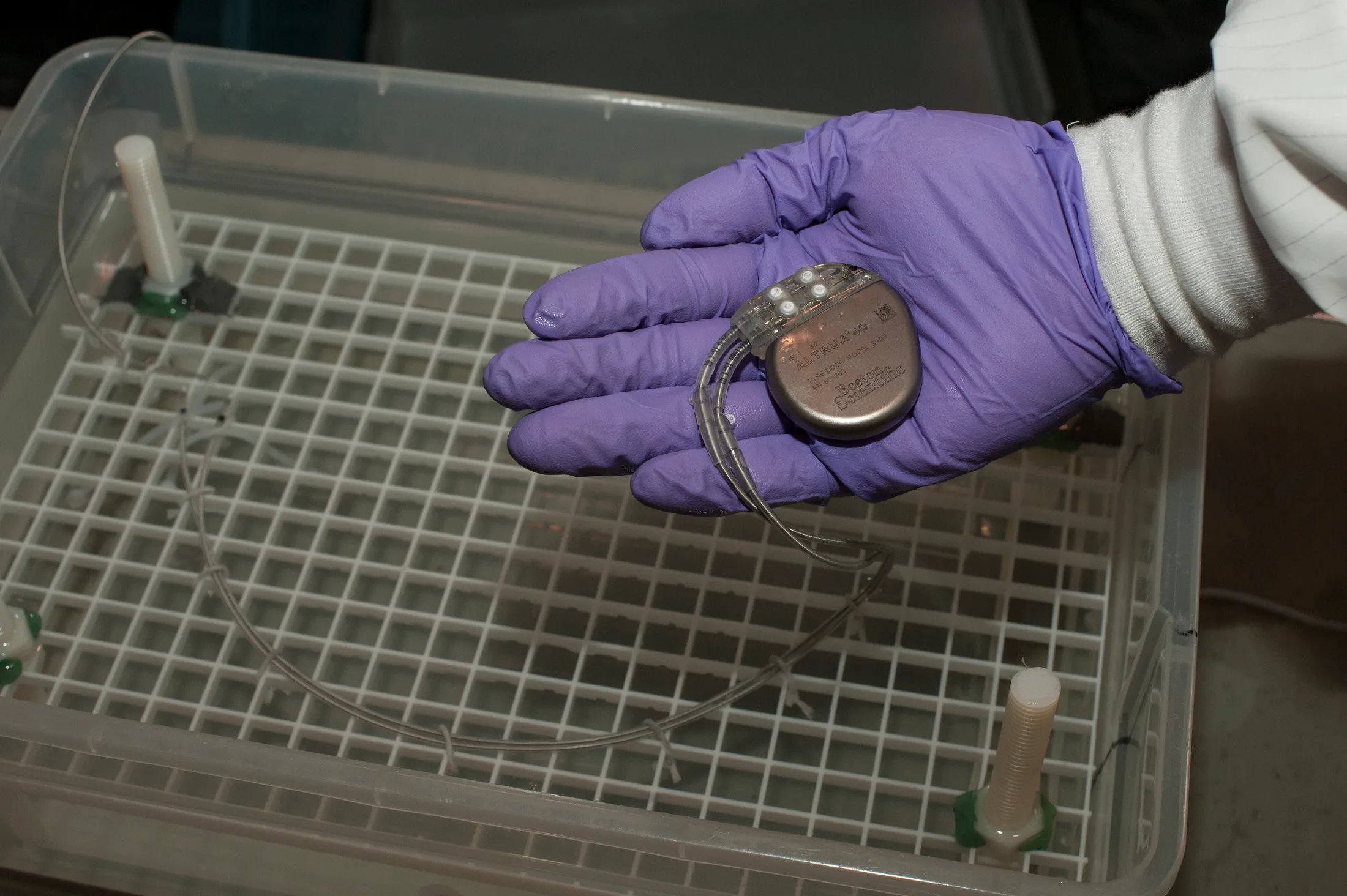
In 1961 a pacemaker was a box you carried, with a dial you could turn. Sixty years later it is a grain of titanium that rides inside the heart itself. Between those two machines runs a quieter story — fifty-six United States patents by David A. Ruben of Medtronic, the engineering one layer down that decides whether any of it survives a decade sealed in a living body.
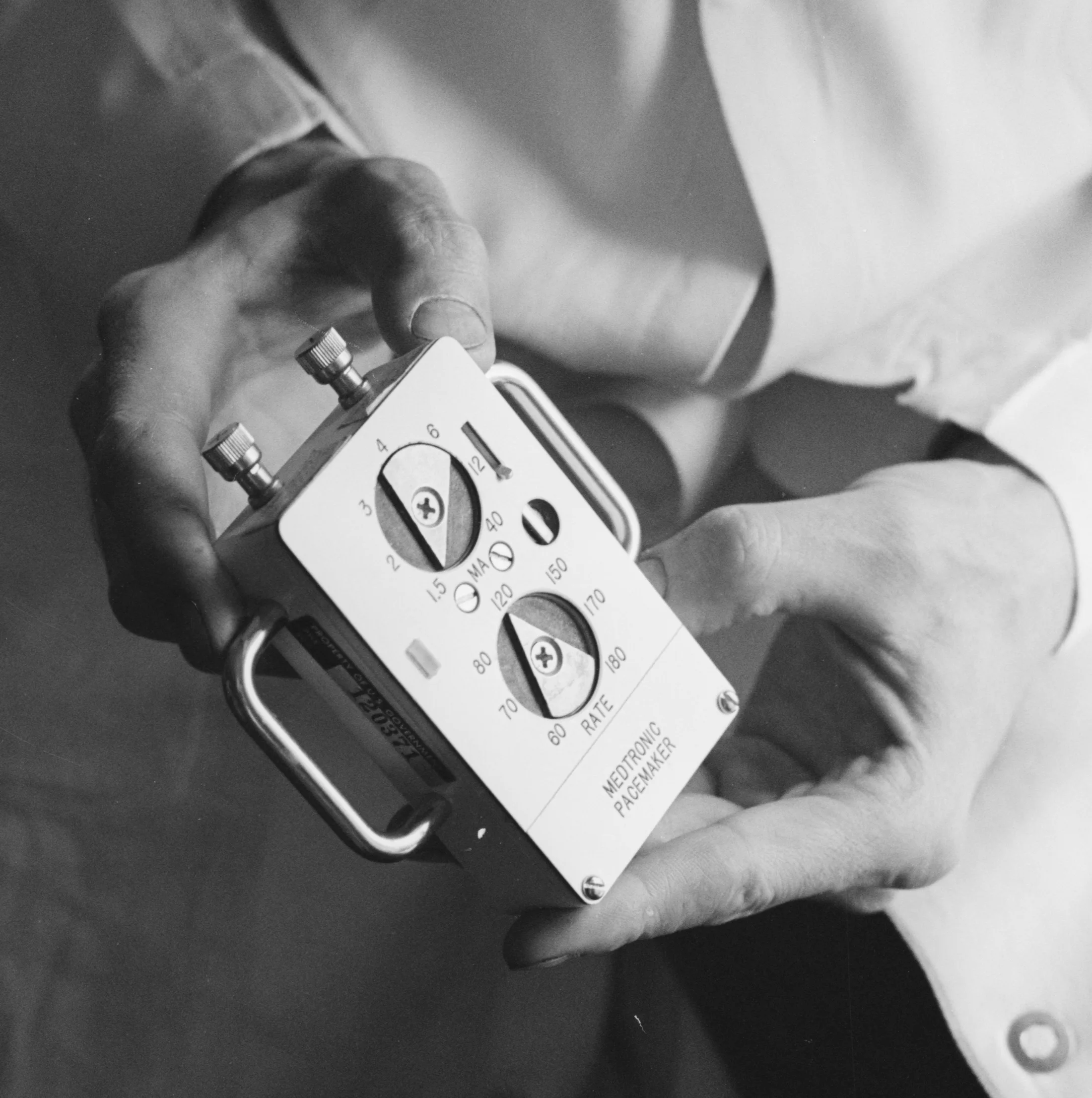
One layer down
He never worked at the surface where devices win.
Ruben’s filings run from 1993 to 2025; his grants from 1996 to 2026 — a thirty-three-year line with no gap. Almost none of it is therapy. It is packaging: hermetic housings and feedthroughs, laser joints, pressure and motion sensors, radioisotope power — the promises a device must keep before it is allowed to keep a heart. Nothing leaks in. Nothing leaks out. For a decade or more, in warm salt water.
The record is legible in the way patents are: later inventors citing his work more than a thousand times, continuation families stretching across decades, and one 1997 accelerometer patent — a crystal beam with a stop to catch it — cited by 203 later inventions.
Six lives of the work
Each line of patents is a life: a problem met young and kept for decades.
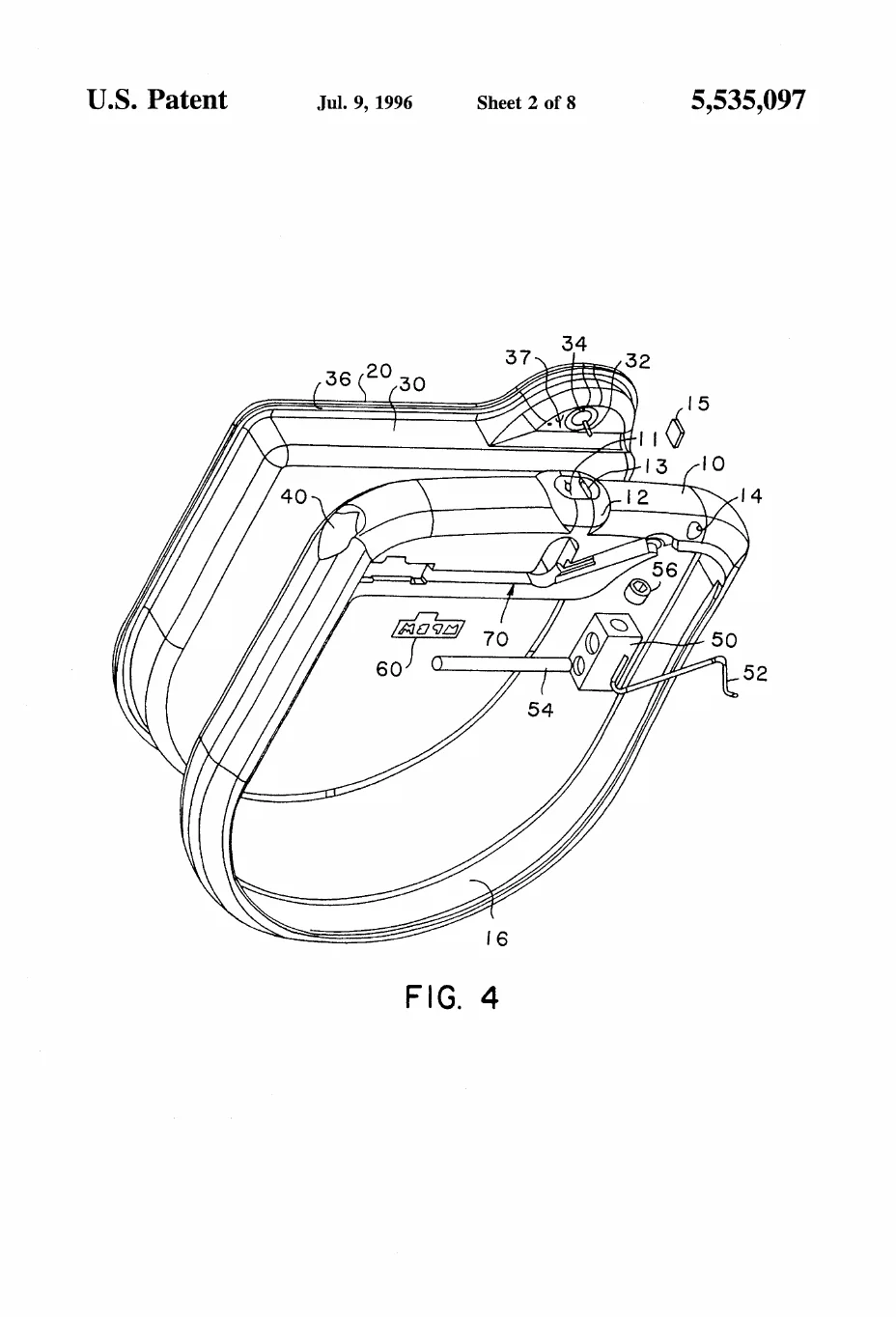 1993-1996 1993: The First Housing The 1993 origin: a pacemaker body whose parts seat themselves before one lid closes it forever. Read the movement →
 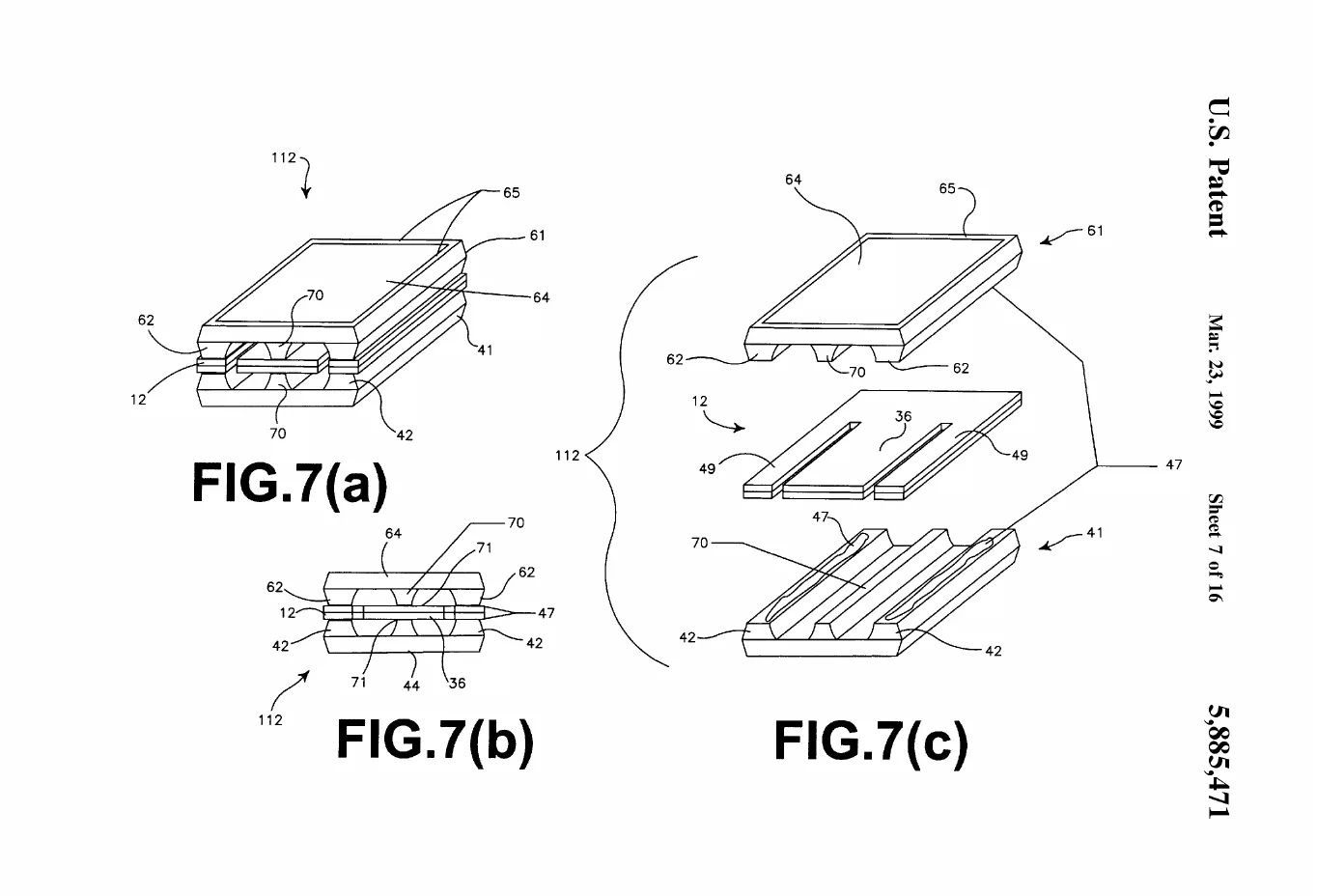 1997-2001 The Accelerometer Line: teaching the pacemaker to feel motion A crystal diving-board that feels a footstep — and the stop that kept it from snapping. Read the movement →
 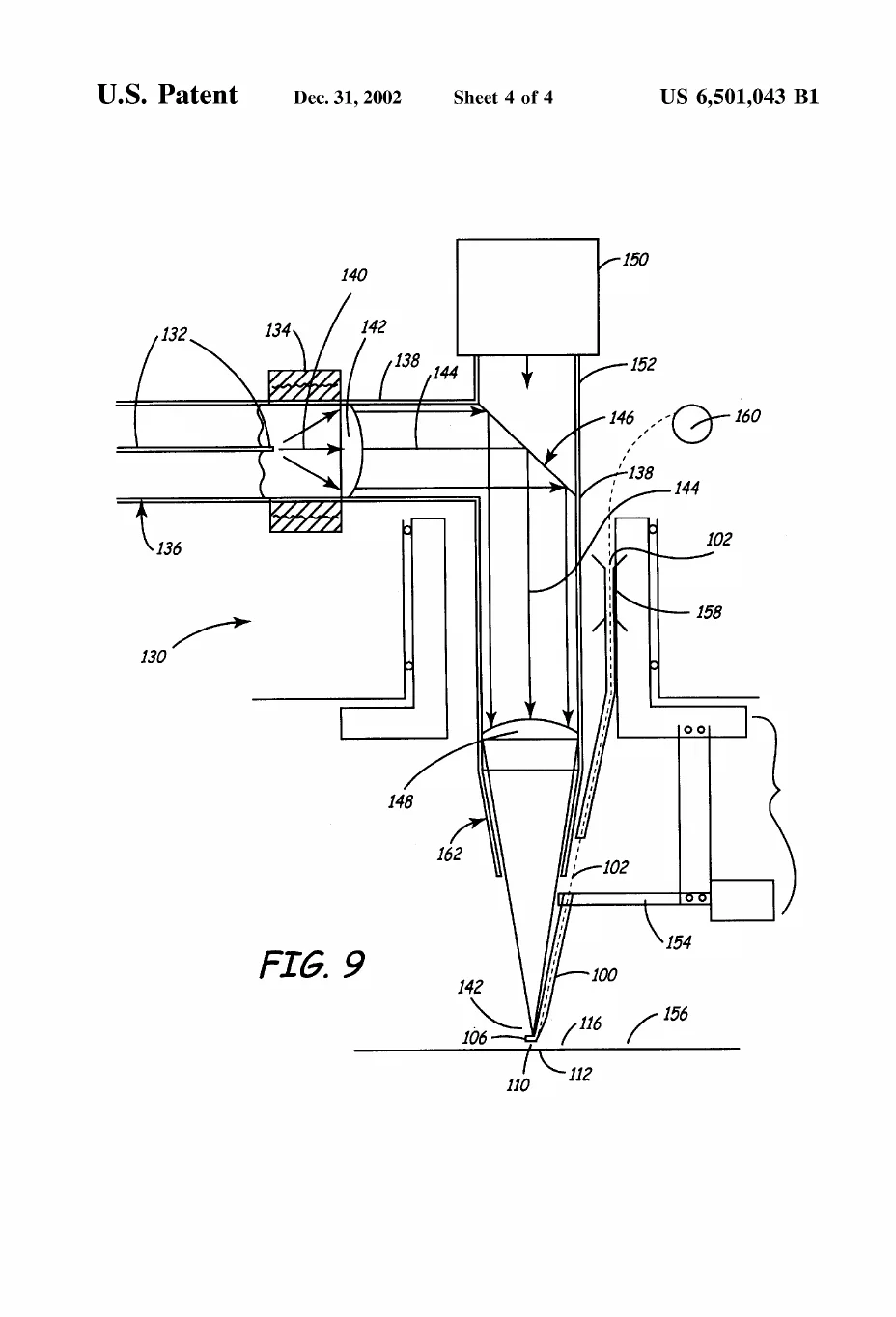 2000-2025 The Laser Craft: light as a precision tool Light as the joining tool: heat placed exactly at the seam, withdrawn before it can wander. Read the movement →
 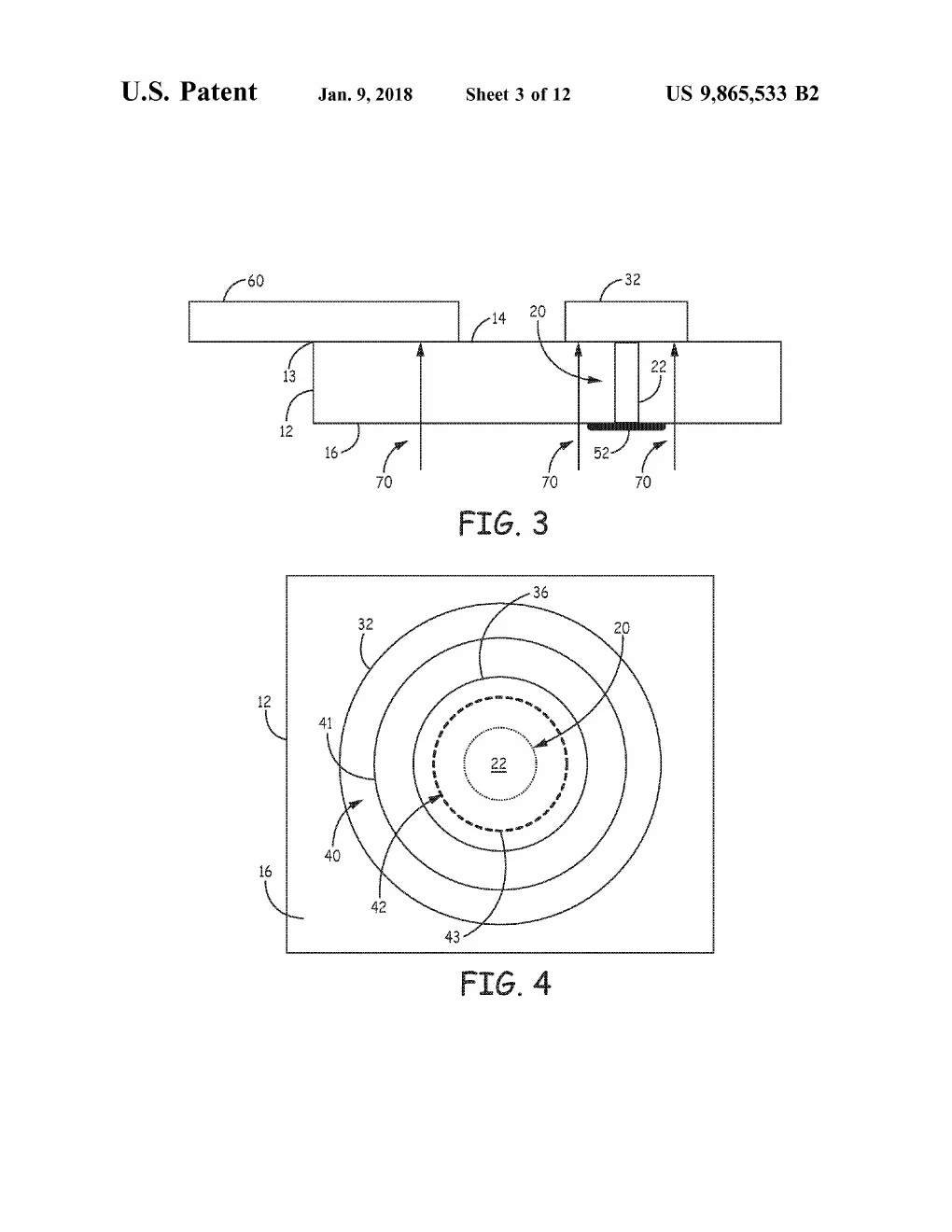 2014-2024 The Feedthrough Line: wiring through an unbroken wall Wiring through an unbroken wall — a ring of laser light where a furnace used to be. Read the movement →
 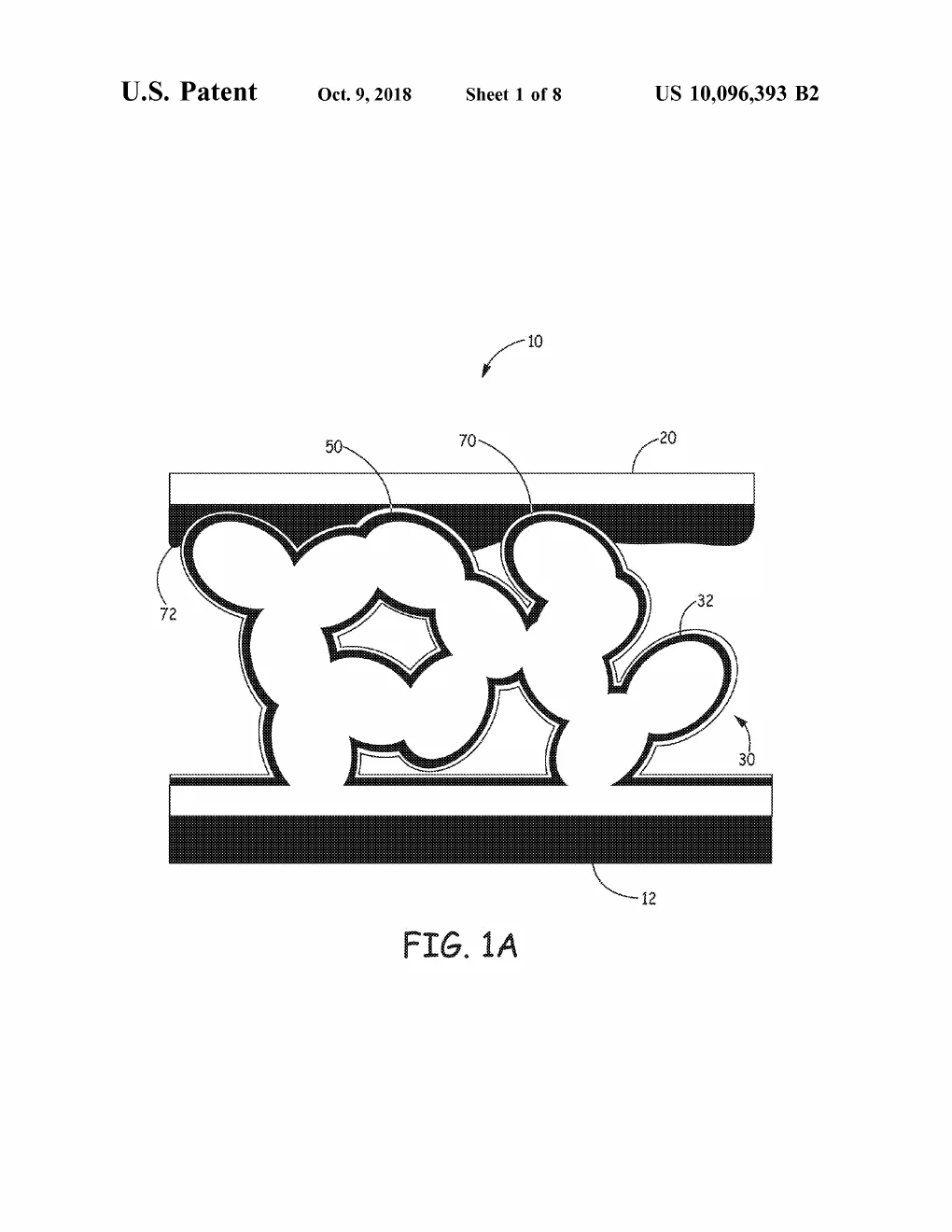 2015-2024 The Nuclear Line: reviving the atomic heartbeat The atomic heartbeat revived: decay itself as a battery measured in decades. Read the movement →
 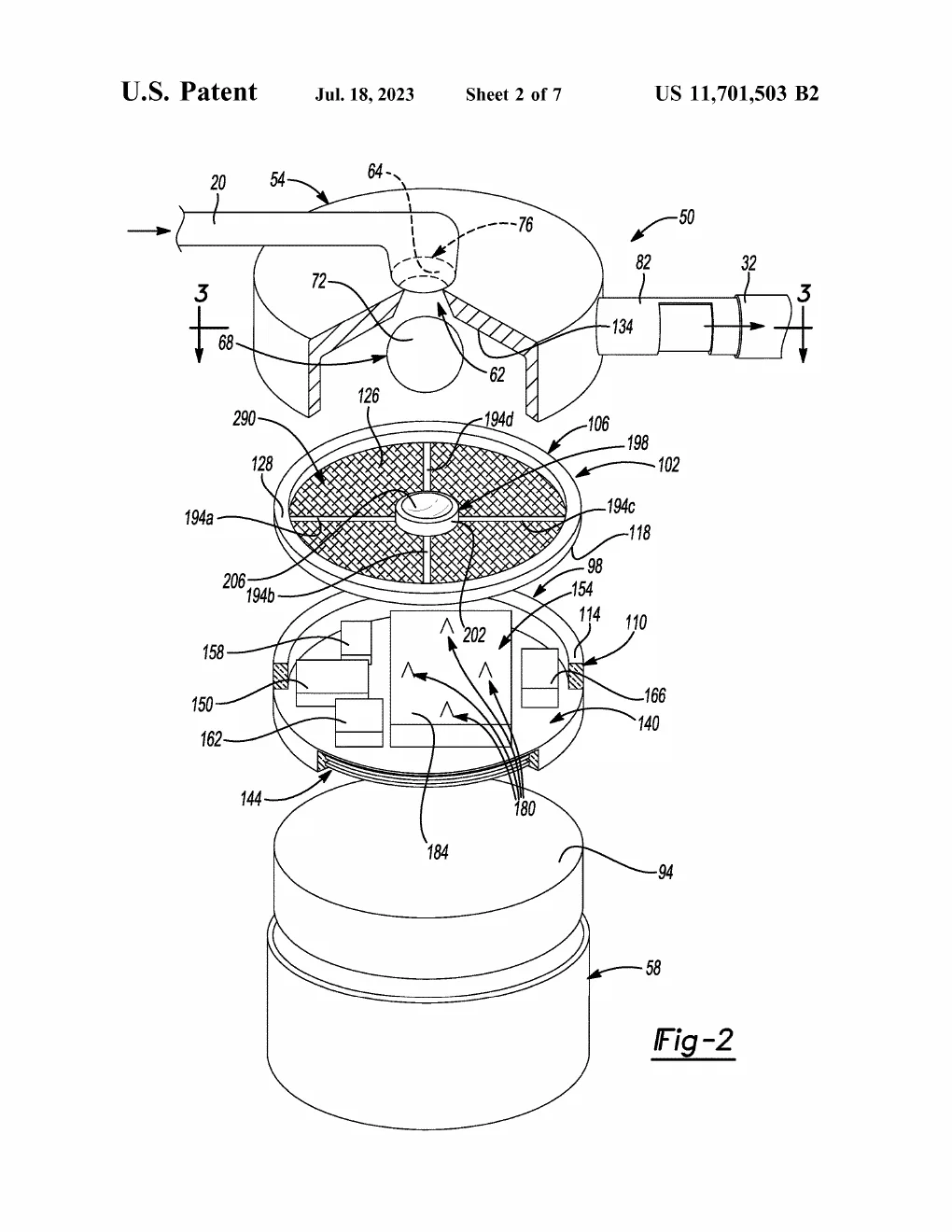 2020-2024 The Valve: engineering mercy for hydrocephalus A MEMS valve metering fluid from a child’s brain — engineering as a form of mercy. Read the movement →
 Where it was all going
The endpoint of the lineage is small enough to live inside the heart.
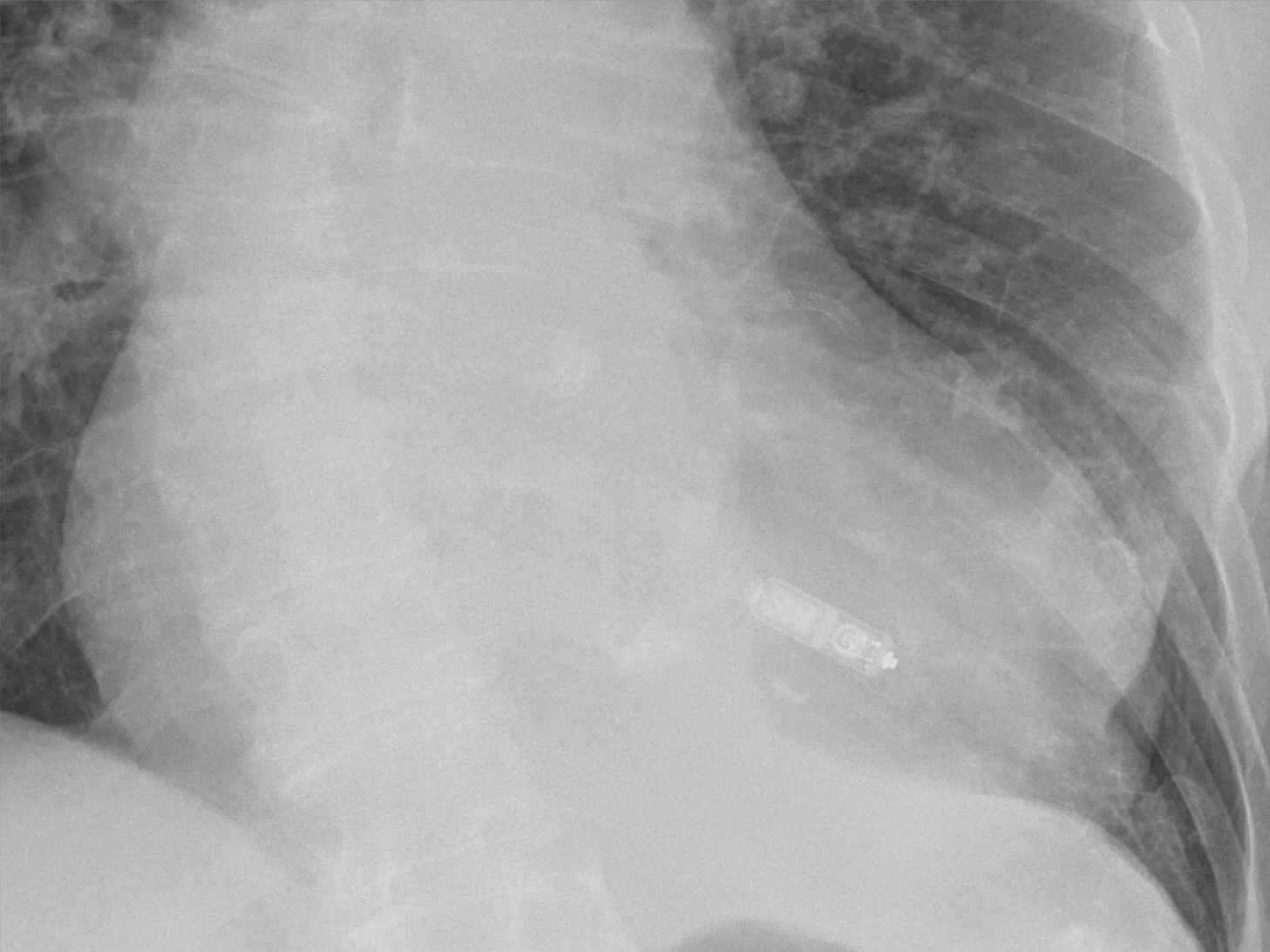
The present tense
The promise, tested; the people it is for.
The record
Fifty-six grants, kept in time.
The full docket — every granted patent from the 1993 housing to the 2026 sealed package — laid out year by year, like a long, steady trace.